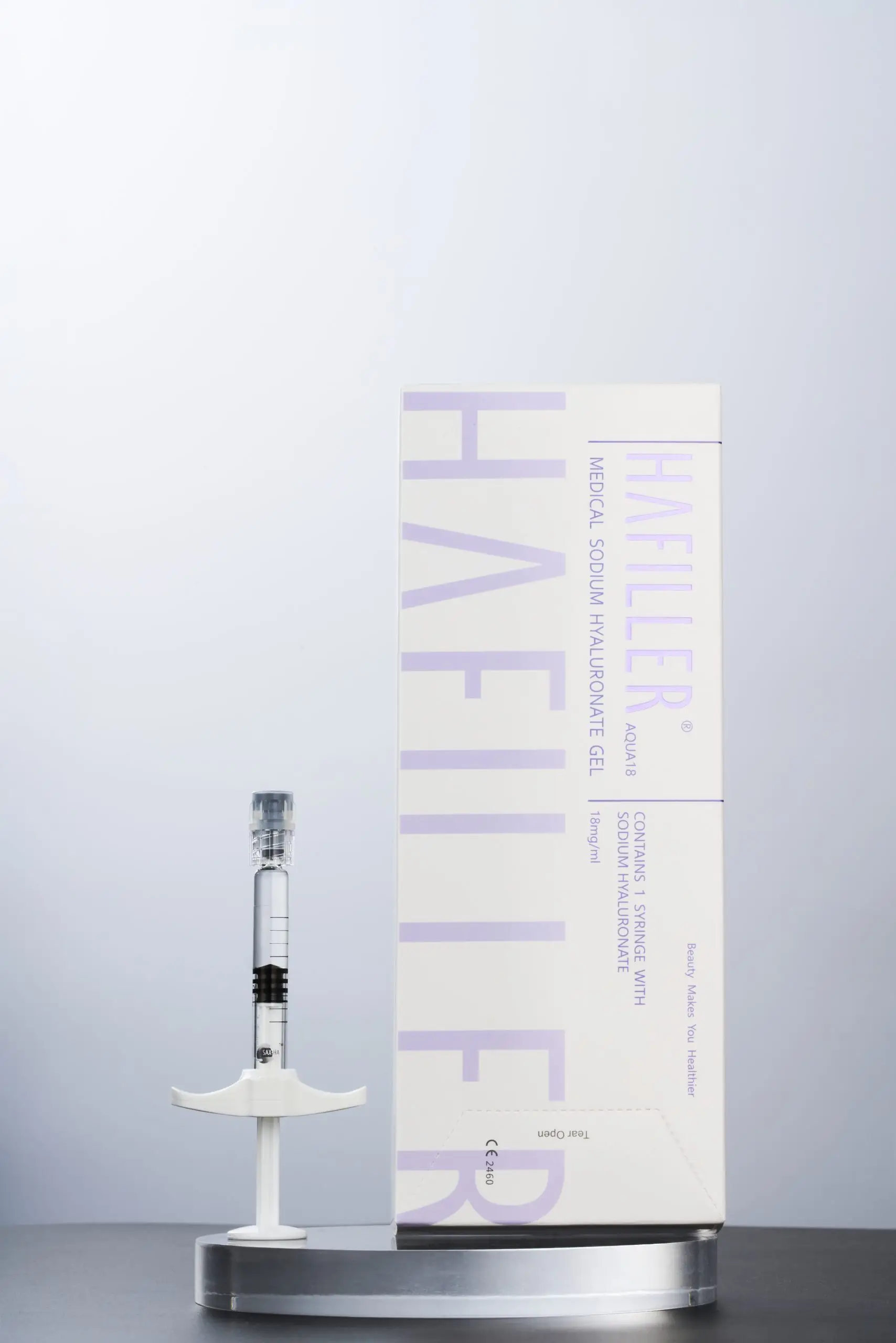
Within contemporary aesthetic clinics, sodium hyaluronate injection represents a fundamental tool. This substance, the sodium salt of hyaluronic acid, serves as the core component in many dermal fillers due to its biocompatibility and predictable behavior. For medical professionals, a precise understanding of its properties and indications is necessary for effective treatment planning and patient management.
The Biochemical Basis for Tissue Integration
The efficacy of a sodium hyaluronate injection stems from its hygroscopic nature. Each molecule attracts and retains water, providing volumetric support and hydrating the surrounding tissue matrix. This process occurs with a high degree of biocompatibility, as the substance mirrors a compound found naturally in the human dermis. Products engineered for specific areas, such as the HAFILLER range developed by Jingjia Medical, utilize particular cross-linking technologies to tailor viscosity and elasticity for different clinical applications, from fine lines to deeper contouring.
Strategic Implementation in Treatment Protocols
Employing a sodium hyaluronate injection effectively requires strategic selection. Practitioners must match the product’s physical characteristics—such as its G-prime and cohesion—to the targeted anatomical layer and desired corrective outcome. A thicker formulation may be indicated for volumizing deeper folds, while a more fluid product suits superficial hydration. This decision-making process is a clinical skill, ensuring the material integrates seamlessly and produces a natural result.
Ensuring Safety and Managing Expectations
A critical component of patient consultation involves discussing the transient nature of the treatment. While complications are uncommon, the reversible quality of treatments using sodium hyaluronate injection provides a significant safety profile. The availability of hyaluronidase allows practitioners to promptly address issues such as overcorrection or vascular compromise. Clinics incorporating these procedures must establish clear protocols for both routine administration and potential intervention, thereby upholding patient trust and clinical standards.
The use of sodium hyaluronate requires a methodical approach grounded in anatomical knowledge and product understanding. Its versatility makes it a cornerstone of aesthetic practice, but its application demands respect for technique and safety. By focusing on these principles, clinics can leverage the capabilities of scientifically-developed products like HAFILLER to meet diverse patient needs. Jingjia Medical supports this process through its commitment to providing consistent, research-backed materials for professional use.