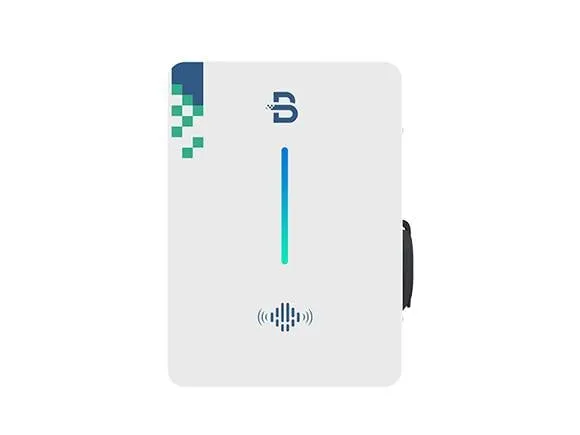
Defining charging methods clarifies infrastructure planning for electric vehicles. Ev charging mode 3 represents a specific protocol for AC charging, utilizing a dedicated circuit and continuous communication between the vehicle and the charging point. This mode is common in commercial and public settings, where safety and control are necessary. Providers like EVB supply equipment compliant with this standard.
Communication and Safety Protocols
The operational distinction of EV charging mode 3 lies in its use of a pilot signal. This continuous data exchange allows the station to authenticate the vehicle, monitor ground connection, and regulate the power flow. This communication ensures charging only proceeds when the system verifies all safety parameters are correct. It is a required feature for professional installations.
The Role of the Type 2 Connector
In many regions, EV charging mode 3 is physically facilitated using a specific interface. The EV charging cable type 2 has become the standard AC connector, designed to carry the pilot signal and three-phase power. Its symmetrical shape and locking mechanism provide a secure and reliable link. The widespread adoption of the EV charging cable type 2 supports interoperability across different vehicle makes and charging stations.
Infrastructure and Cable Considerations
Deploying this system requires compatible hardware on both ends of the circuit. A station configured for Mode 3 will feature a Type 2 socket. To connect a vehicle, a type 2 to EV charger cable is typically used, which is often tethered to the station or provided separately. This specific type 2 to EV charger cable contains the necessary conductors to facilitate the required communication and power transfer for a complete EV charging mode 3 session.
Understanding EV charging mode 3 is fundamental for deploying AC charging infrastructure. Its defined safety communication protocol, often executed through an EV charging cable type 2, distinguishes it from simpler domestic charging methods. For organizations, specifying equipment that supports this mode, including the correct type 2 to EV charger cable, ensures installations meet recognized standards for performance and safety in professional environments.