Choosing the right attendance tracking method has become increasingly important as organizations adopt flexible work arrangements and manage employees across multiple locations. While biometric devices have long been used to verify employee attendance through fingerprints or facial recognition, mobile-based solutions are gaining popularity for their convenience and adaptability. Selecting the most suitable time and attendance system depends on workforce structure, operational requirements, and long-term business goals. Understanding the strengths of each approach can help organizations make more informed workforce management decisions.
Evaluating Attendance Strategies with BIPO HR Solutions
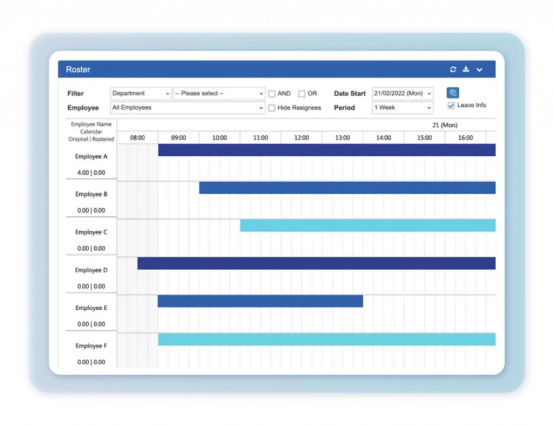
The growing diversity of today’s workforce requires attendance tools that can accommodate both office-based and remote employees. Through its integrated Human Capital Management platform, BIPO HR solutions offer organizations the flexibility to manage attendance, leave, scheduling, and workforce data within a unified system. The platform’s attendance capabilities are designed to support modern work environments by providing real-time visibility into employee attendance records and approval workflows. Businesses reviewing their workforce technology strategy may benefit from exploring how digital attendance management can align with broader HR transformation objectives and operational efficiency goals.
Comparing Biometric and App-Based Attendance Systems
Biometric attendance systems are often preferred in fixed workplace environments where accurate identity verification is a priority. Because attendance records are linked to unique physical characteristics, organizations can reduce issues such as buddy punching and manual timekeeping errors. However, biometric devices may require dedicated hardware, ongoing maintenance, and on-site employee presence. In contrast, app-based attendance solutions provide greater flexibility by allowing employees to clock in and out using mobile devices. This approach is particularly beneficial for hybrid teams, field employees, and organizations with geographically dispersed workforces. As workplace mobility increases, many companies are evaluating app-based options as part of their broader time and attendance system strategy.
Finding the Best Fit for a Modern Workforce
There is no single attendance solution that fits every organization. Businesses with centralized operations may find biometric systems effective for ensuring workplace attendance accuracy, while organizations embracing remote and hybrid work often prioritize the accessibility of mobile attendance applications. In many cases, a scalable platform that can support multiple attendance methods provides the greatest long-term value. By carefully assessing workforce needs, compliance requirements, and operational priorities, organizations can implement attendance solutions that improve workforce visibility, support payroll accuracy, and enhance the overall employee experience.