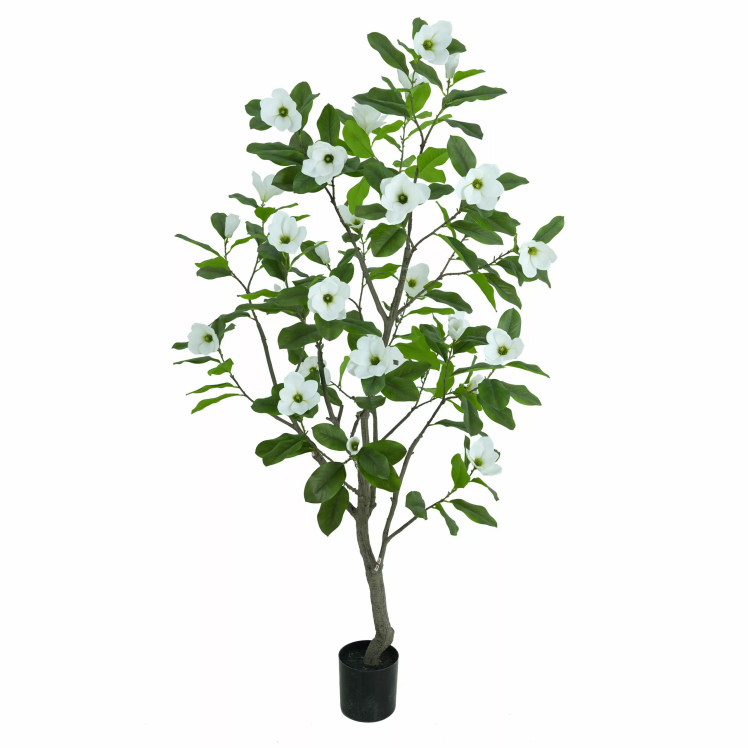
Interior designers frequently utilize plant elements to soften architectural lines and introduce organic textures into built environments. Among various species, the olive tree maintains a distinctive position. Its narrow grey-green foliage, open branch structure, and Mediterranean associations convey calm sophistication without the visual heaviness of denser tropical varieties.
Live olive trees demand specific light conditions, careful watering routines, and stable temperatures. These requirements prove difficult to maintain reliably within commercial interiors or residential staging environments. This limitation fuels demand for faux alternatives that preserve the tree’s aesthetic character while removing maintenance dependencies.
Consequently, sourcing from a capable artificial olive tree manufacturer becomes a practical priority for retailers, hospitality groups, and décor brands seeking consistent inventory.
Why Olive Trees Have Become a Design Staple in Modern Interiors
The enduring popularity of this species in interior design largely stems from its visual restraint. Unlike broad-leaf tropical plants that often dominate spatial attention, olive trees provide subtle color variations and airy branching. These features complement rather than compete with surrounding furniture, textiles, and architectural finishes.
The muted grey-green tone pairs naturally with wood surfaces, stone textures, neutral walls, and beige palettes defining contemporary commercial aesthetics. Designers frequently value this versatility across minimalist, rustic, Mediterranean, and Scandinavian-influenced interior projects.
Sharetrade recognizes this specific design positioning, manufacturing artificial olive trees that preserve the species’ essential character. Their product lines generally avoid the overly dense, highly symmetrical construction typical of generic faux trees. Instead, they replicate the irregular branch spacing and open crown shapes that make live specimens visually distinctive.
Visual Qualities Defining a Realistic Artificial Olive Tree
Botanical accuracy in these replicas depends heavily on specific structural details. The leaves need to carry a soft grey-green color rather than a bright or uniform green. This subdued tone acts as the most recognizable feature of the species.
Trunk texture also plays a significant role in overall realism. A natural-looking surface featuring visible grain and texture variations creates authenticity at close viewing distances. Furthermore, branch placement should appear irregular rather than geometrically balanced, which helps prevent mechanical stiffness.
Optional fruit details can further reinforce Mediterranean styling for hospitality and lifestyle retail contexts. Sharetrade focuses significant production attention on these exact attributes. Their artificial olive trees incorporate narrow leaves with soft color gradients, textured trunks, and balanced yet naturalistic shapes.
For procurement teams evaluating an artificial olive tree manufacturer, these detail-level decisions directly affect visual outcomes. Convincing products blend seamlessly into hotel lobbies, restaurant interiors, retail displays, and residential staging environments.
Applications Across Residential and Commercial Environments
Engineered olive trees serve distinct functional roles depending on their setting. In residential contexts, they function as living room accents, entryway statements, and staging props. They add warmth to these spaces without requiring ongoing care from homeowners or temporary tenants.
In commercial applications, these botanicals suit hotel lobbies seeking understated elegance or Mediterranean-themed restaurants aiming to reinforce atmospheric consistency. Office reception areas utilize them to soften corporate interiors, while boutique retail spaces deploy them to curate lifestyle-oriented display environments.
Shopping mall corners and café seating areas also benefit from their compact footprint relative to their vertical visual presence. Sharetrade supports this diverse range of applications through flexible product sizing and structure.
Their catalog spans compact potted variations appropriate for retail shelf placement to taller decorative specimens designed for floor-standing installation in commercial atriums. Buyers select specific heights, crown sizes, and leaf densities to match distinct spatial requirements.
Material and Structural Considerations for Long-Term Interior Use
Durability involves much more than initial surface appearance. Leaf attachment strength determines whether the foliage survives handling during installation, routine relocation, and standard cleaning procedures. Trunk stability affects whether the piece remains upright in high-traffic zones or under direct air-conditioning airflow.
Color stability ensures the distinctive grey-green tone does not shift under prolonged exposure to interior lighting. For commercial buyers planning multi-location rollouts, batch consistency across repeated orders remains equally critical. Noticeable variations in leaf tone between deliveries can undermine brand-standard interior schemes.
Sharetrade addresses these operational requirements through systematic quality control protocols. Their production process inspects components at raw material, semi-finished, and finished stages.
Factory teams check leaf attachment, trunk stability, shape consistency, color uniformity, and overall appearance before authorizing shipment. This layered inspection supports stable batch quality for wholesale orders, where consistency impacts customer perception and repeat sales.
What to Look for in an Artificial Olive Tree Manufacturer
Selecting an artificial olive tree manufacturer involves evaluating organizational capabilities beyond basic catalog breadth. Realistic design execution requires production teams that understand botanical reference points rather than merely assembling generic components.
Scalable output demands factory infrastructure that handles seasonal volume spikes without quality degradation. Export logistics require packaging engineering that protects delicate branch structures during international transit, reducing deformation and damage-related costs.
Delivery reliability significantly affects launch schedules for retail collections and installation timelines for hospitality projects. Sharetrade operates a 28,000-square-meter manufacturing facility with approximately 180 workers, supporting organized production lines and export-ready coordination.
Their packaging planning accounts for product dimensions, shipping methods, and destination handling conditions to minimize transit damage. With over sixteen years of experience, they offer the production stability that commercial buyers require for large-scale projects.
Low-Maintenance Design Solutions
Faux olive trees have earned their place in contemporary interior decoration by combining Mediterranean aesthetic associations with practical adaptability. They deliver the calm, natural visual effect that designers seek, bypassing the lighting and watering constraints that make live specimens impractical. For procurement teams, identifying a reliable artificial olive tree manufacturer ensures product quality and batch consistency match expected design standards.
Sharetrade operates as an artificial plant manufacturer with 16+ years of experience serving global brands and commercial projects. Their artificial olive tree collection features realistic grey-green foliage, textured trunks, and flexible sizing options for diverse applications. Visit their website to explore the product range or request custom samples for upcoming interior decoration projects.