Uric acid levels can fluctuate based on diet, hydration, kidney function, and other health factors. Monitoring these levels regularly is important for people at risk of gout, kidney stones, or metabolic disorders. While occasional testing may provide a snapshot, consistent tracking helps identify trends and potential problems before they become serious.
Factors That Influence Testing Frequency
The ideal frequency for checking uric acid depends on individual risk factors. People with a history of hyperuricemia, gout, or kidney issues may need to test more often, whereas those with normal levels and no symptoms might monitor less frequently. Lifestyle changes, medication adjustments, or dietary modifications can also influence how often testing is advisable. Consulting a healthcare professional can provide a personalized monitoring schedule.
Tools for Convenient Home Monitoring
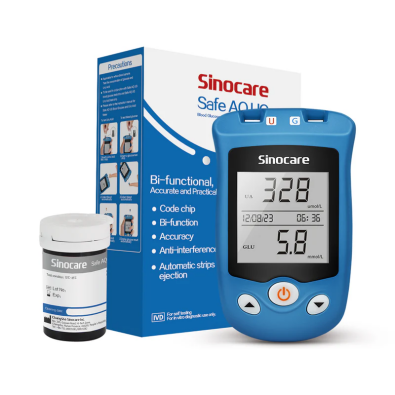
Using a uric acid monitor at home allows individuals to track their levels without frequent clinic visits. The Sinocare Safe AQ UG is a reliable device designed for home use, capable of measuring both uric acid and blood glucose. It requires a small blood sample of 3 μL for uric acid testing and delivers results in approximately 25 seconds. By storing previous readings, it makes it easy to observe trends over time and adjust health routines accordingly.
Benefits of Regular Home Testing
A uric acid test kit helps users detect changes early, which can improve diet, hydration, and lifestyle decisions. Regular testing paired with accurate devices ensures better insight into personal health, helping prevent complications associated with elevated or fluctuating uric acid levels. With tools from Sinocare, maintaining a consistent monitoring schedule becomes simple, safe, and effective for everyday health management.