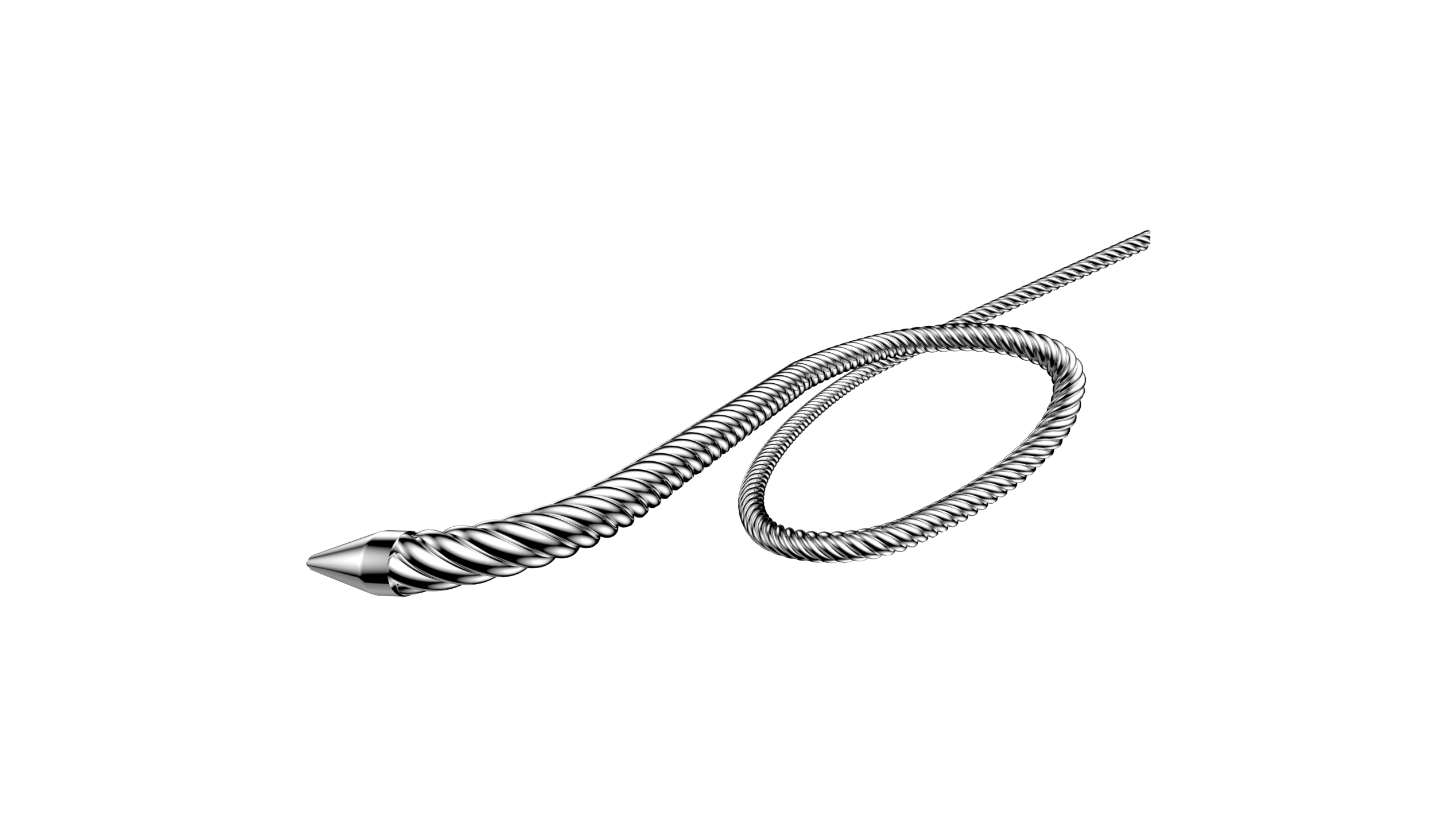
Percutaneous transluminal coronary angioplasty (PTCA) is an important procedure in the treatment of coronary artery disease. During percutaneous coronary intervention (PCI), guide wires help physicians navigate coronary vessels and provide a pathway for subsequent devices, including balloon catheters and stents. While routine cases may involve relatively straightforward vascular access, complex PCI can require careful navigation through tortuous vessels, tight lesions, or challenging anatomical structures.
For healthcare providers and medical device distributors, choosing a reliable PTCA guide wire manufacturer involves more than comparing product specifications. Wire performance, manufacturing consistency, product selection, and technical support all contribute to the suitability of a guide wire for different clinical applications.
Understanding the Role of a PTCA Guide Wire in PCI
A PTCA guide wire serves as a navigation and support tool during coronary intervention. It helps physicians cross target lesions and facilitates the delivery of interventional devices to the intended treatment site. Its performance can influence procedural efficiency, particularly when coronary anatomy presents additional challenges.
Several design characteristics matter when evaluating a PTCA guide wire. Flexibility helps the wire navigate curved vessels, while torque response affects how accurately rotational movement translates to the distal tip. Tip shape and tip load influence how the wire interacts with the vessel and lesion. Support characteristics also matter because the wire must provide an appropriate balance between trackability and device delivery support.
No single configuration is suitable for every PCI procedure. Understanding these differences helps healthcare facilities select products that align with their clinical requirements.
Supporting Routine PCI With Consistent Performance
Routine PCI still requires reliable device handling and predictable performance. When treating relatively accessible lesions, physicians need a guide wire that can navigate the coronary anatomy while providing an appropriate pathway for balloon catheters and stents.
A PTCA guide wire manufacturer supports these needs through controlled product design and consistent manufacturing processes. Dimensional accuracy, material selection, surface characteristics, and tip construction can all influence handling and device compatibility.
Manufacturing consistency is particularly important for hospitals and distributors managing recurring product demand. A stable supply of guidewires with consistent specifications supports product evaluation, inventory planning, and procurement. Clear technical documentation also allows purchasing teams and clinical personnel to assess whether a product meets their institutional requirements.
Addressing the Challenges of Complex PCI
Complex PCI may involve severe stenosis, calcified lesions, tortuous vessels, or chronic total occlusions. These situations can place greater demands on guide wire navigation, lesion crossing, and support.
Different guide wire characteristics may be appropriate for different procedural challenges. A more flexible configuration may help navigate tortuous anatomy, while a wire with greater support characteristics may be considered when device delivery requires additional stability. Specialized tip configurations and varying levels of tip load can also serve different clinical purposes.
However, guide wire selection requires clinical judgment. Excessive force or an unsuitable wire can increase the risk of vessel injury. Physicians must evaluate lesion characteristics, vessel anatomy, and procedural objectives before choosing an appropriate device.
An experienced PTCA guide wire manufacturer can support product selection by providing clear specifications, explaining available configurations, and maintaining consistent quality standards. This information helps clinical teams understand product characteristics without assuming that one wire can address every complex case.
Why Manufacturing Quality Matters
For medical device procurement teams, product performance must be supported by dependable manufacturing practices. A PTCA guide wire manufacturer should maintain appropriate quality controls throughout material selection, processing, assembly, inspection, and final product release.
Important evaluation factors include dimensional consistency, coating integrity, tip construction, radiopacity, and compatibility with intended interventional devices. Documentation and traceability are also essential for product evaluation, regulatory review, and ongoing supply management.
Beyond manufacturing quality, suppliers should offer clear product specifications and responsive communication. These capabilities help distributors compare product models, assess market requirements, and manage procurement more efficiently. Before establishing a supply relationship, buyers should verify applicable regulatory documentation, quality certifications, and product registration requirements for their target markets.
How to Evaluate a PTCA Guide Wire Manufacturer
Selecting a suitable supplier requires consideration of both technical and commercial needs. Buyers should first determine whether the manufacturer’s product portfolio covers the required guide wire configurations, including differences in tip shape, tip stiffness, working length, and coating.
The next step is to review manufacturing consistency and available quality documentation. Clear model identification, accessible technical information, and reliable order coordination can help reduce procurement uncertainty. For distributors serving multiple healthcare facilities, a range of compatible product options may also simplify portfolio planning.
Communication is another important consideration. A supplier that can explain product specifications and clarify configuration differences makes it easier for procurement teams to coordinate with clinical stakeholders. Product selection should always remain guided by clinical requirements and applicable regulatory standards.
Shunmei PTCA Guide Wire Solutions for Coronary Intervention
Shunmei offers PTCA guide wires designed for coronary intervention, including selected chronic total occlusion (CTO) and complex coronary lesion applications. Its product range includes different tip configurations and stiffness levels to accommodate varying procedural requirements.
The Shun GN series features angled tips, while the Shun Pi series offers straight or shapeable tip configurations. The Shun F, FA, and FR series provide additional straight tip options with different tip stiffness specifications. Depending on the model, available features include a hydrophilic coating, a platinum coil for radiopacity, and an integral core wire structure designed to support guide wire control.
Building a Reliable Supply Partnership
Supporting routine and complex PCI requires guide wires with appropriate design characteristics, consistent manufacturing quality, and clear technical documentation. A qualified PTCA guide wire manufacturer helps healthcare providers and distributors evaluate these factors while supporting product availability and procurement planning.
For organizations sourcing coronary intervention devices, Shunmei provides a range of PTCA guide wire configurations for evaluation against specific clinical, regulatory, and market requirements. By combining careful product assessment with effective supplier communication, procurement teams can make more informed decisions and establish a supply strategy suited to their target applications.