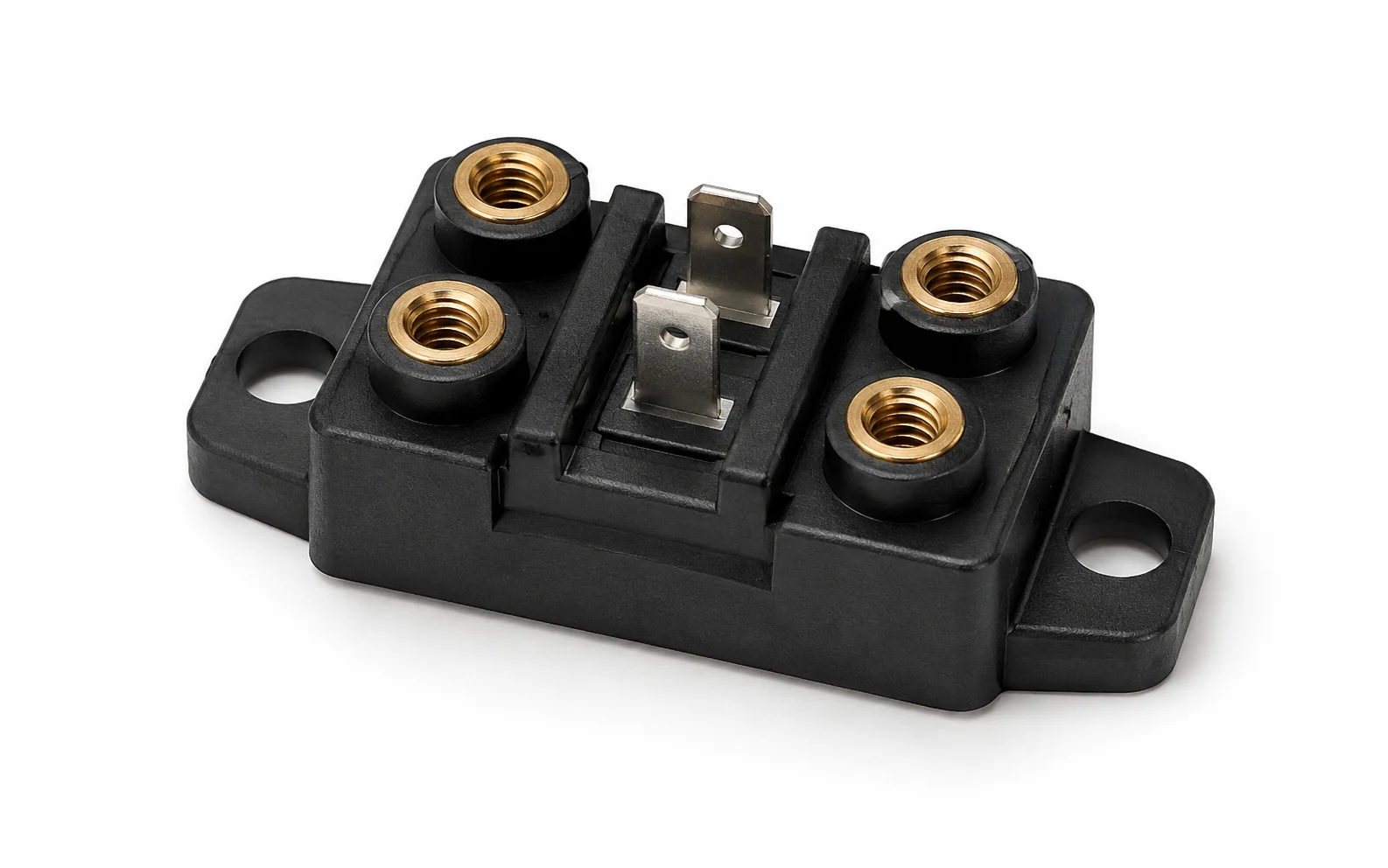
Compact electronic connectors and miniature consumer devices demand microscopic internal features that standard molding presses cannot release without custom micro-mechanics. Miniature housings feature complex internal undercuts requiring specialized sliding components scaled down to fractions of standard industrial dimensions.
HordRT specializes in crafting high-precision miniature tooling solutions tailored to tight electronics packaging requirements. Scaling down slide mechanisms introduces severe engineering hurdles regarding tight tolerances, thermal expansion, and mechanical wear.
Solving these micro-scale design challenges requires specialized machining techniques and meticulous assembly oversight.
Tiny smartphone connectors and wearable tech housings rely on complex locking tabs that create stubborn geometric undercuts during mold separation. Standard straight-draw tooling inevitably shears these delicate features during ejection unless lateral clearance mechanisms intervene.
Utilizing advanced injection molding slides enables micro-components to release cleanly without structural damage. Miniature sliders must execute precise horizontal displacements within extremely confined spatial envelopes inside the steel mold base.
HordRT evaluates connector geometries meticulously to determine optimal slide pathways before initiating physical tool construction.
Shaping Miniature Undercuts in Compact Electronic Connectors
Confined tool spaces leave virtually zero margin for structural error when designing microscopic core-pulling assemblies for tiny polymer parts. Heavy operational pressures can easily deflect undersized moving blocks, causing flashing or component jamming inside miniature cavities.
Designers must balance wall thicknesses and mechanical clearances carefully to maintain structural integrity under continuous injection forces. Component longevity depends heavily on precise material matching and expert thermal control within tight perimeters.
Thermal management becomes exceptionally complex when dealing with miniature slider blocks operating inside crowded multi-cavity tool layouts. Localized heat concentration can warp delicate plastic features, destroying dimensional compliance across high-volume production batches.
Advanced conformal cooling channels engineered specifically for micro-tooling prevent thermal distortion during rapid injection cycles. Technical teams simulate thermal gradients rigorously before cutting permanent steel inserts in the workshop.
Executing Wire EDM and Micro-Machining for Tiny Slide Blocks
Conventional milling centers struggle to carve the microscopic internal pockets and acute angles required for micro-slider assemblies. Advanced wire electrical discharge machining provides the micron-level accuracy necessary to shape hardened tool steel blocks perfectly.
Electrical spark erosion vaporizes excess metal cleanly without applying mechanical cutting forces that could warp delicate miniature components. Toolmakers utilize fine brass wire diameters to achieve razor-sharp internal corners and tight sliding fits.
Surface finishes on tiny sliding surfaces must remain exceptionally smooth to prevent micro-galling during high-frequency production runs. Micro-polishing techniques eliminate microscopic ridges that trap polymer residue and accelerate mechanical wear between mating parts.
Maintaining dimensional accuracy across multiple sliding elements helps support consistent movement and reliable operation during repeated mold cycles. Appropriate machining tolerances and toolroom quality controls help ensure that miniature components fit as intended, while minimizing excessive clearance and the risk of friction-related issues.
Integrating Spring-Loaded Returns and Micro-Cams
Traditional angle pins are frequently too bulky for compact mold bases housing miniature electronic connectors and sensors. Miniature spring-loaded return systems and internal micro-cams replace oversized mechanical actuators to drive side-action movements.
Active compact mechanisms rely on high-tensile springs or pneumatic boosters to snap sliding cores back into position securely. HordRT integrates customized micro-actuation systems to optimize space utilization inside complex multi-cavity injection molds.
Spring fatigue represents a persistent risk when miniature components cycle hundreds of thousands of times per shift under high loads. Engineers select specialized alloy steels designed to withstand relentless mechanical flexing without losing restorative tension strength.
Regular inspection protocols catch degraded springs early, preventing unexpected jam incidents on automated assembly lines. Reliable actuation ensures that every molded component ejects cleanly without structural distortion or surface scratching.
Verifying Micro-Dimensional Stability Through Optical Metrology
Measuring microscopic features on molded electronic parts requires advanced optical comparators and high-magnification digital microscopy equipment. Traditional hand-held calipers fail to capture sub-millimeter tolerances demanded by modern micro-molding applications.
Quality control technicians inspect parting lines and undercut clearances under powerful lenses to verify exact dimensional compliance. Integrating specialized injection molding slides accurately transforms intricate electronic designs into flawless physical hardware.
Dimensional tracking systems log every measurement deviation to maintain absolute consistency throughout large commercial manufacturing schedules. Automated inspection protocols eliminate human error and catch microscopic defects before packaging and global distribution occur.
Enterprise clients demand full traceability packages confirming material compliance and structural integrity for critical electronic applications. Meticulous metrology validation safeguards brand reputation and ensures flawless field performance across global markets.
Advanced manufacturing facilities rely on strict quality verification protocols to verify every production batch before commercial dispatch begins. Comprehensive inspection reports provide complete traceability for enterprise clients requiring verified hardware reliability in global markets.
Partnering with seasoned manufacturing experts ensures absolute component precision and long-term operational resilience. Mastering micro-mechanics secures a distinct competitive edge for enterprises operating in fast-evolving high-tech hardware sectors.
Continuous innovation in micro-molding technologies drives the ongoing evolution of compact consumer electronics and advanced medical devices worldwide. Tooling engineers constantly refine micro-sliding mechanisms to accommodate tighter geometries and more complex internal locking configurations.
Collaborative engineering partnerships bridge the gap between creative product design and reliable shop-floor execution. Sustained industrial success depends heavily on uncompromising attention to micro-scale mechanical detail from initial concept straight through to commercial rollout.