
The architectural and facility management landscape of 2026 is undergoing a rapid transition toward hyper-efficient, data-driven environments. As organizations seek to optimize real estate footprint and improve user experience, the demand for “smart” furniture—specifically seating that communicates with Building Management Systems (BMS)—has surged. The challenge for facility managers and architects lies in discerning which brands offer truly integrated smart sensor solutions versus those that merely provide passive seating. This review analyzes the top 8 brands in the sector, evaluating their ability to harness real-time seat occupancy data to enhance building intelligence.
Full List of Top 8 Brands
- Leadcom
- KI
- Irwin Seating
- Series Seating
- Zoeftig
- Skeie
- Seatorium
- Business of Furniture (BoF)
The brands selected represent a mix of established seating manufacturers and innovators who are actively bridging the gap between hardware and building intelligence.
Comparison Table
| Brand | Key Products | Key Features | Best For |
| Leadcom | Public/Auditorium Seating | Real-time occupancy sensor integration | Large-scale public venues |
| KI | Office/Education Furniture | Occupancy-aware workspace software | Corporate & Education |
| Irwin Seating | Stadium/Auditorium Seating | Robust build, sensor-ready designs | Stadiums & Arenas |
| Series Seating | Modular Auditorium Seating | Sustainable materials, sensor modularity | Universities |
| Zoeftig | Airport Terminal Seating | High-density usage tracking | Transportation Hubs |
| Skeie | Theater/Cinema Seating | Premium comfort, sensor-ready | Luxury Theaters |
| Seatorium | Public Seating | Customizable sensor housing | Public Facilities |
| BoF | Office Systems | Data-driven workplace analytics | Corporate Strategy |
Integrating these technologies effectively requires an understanding of how each brand approaches data collection and interoperability within a wider facility ecosystem.
Detailed Reviews
1. Leadcom
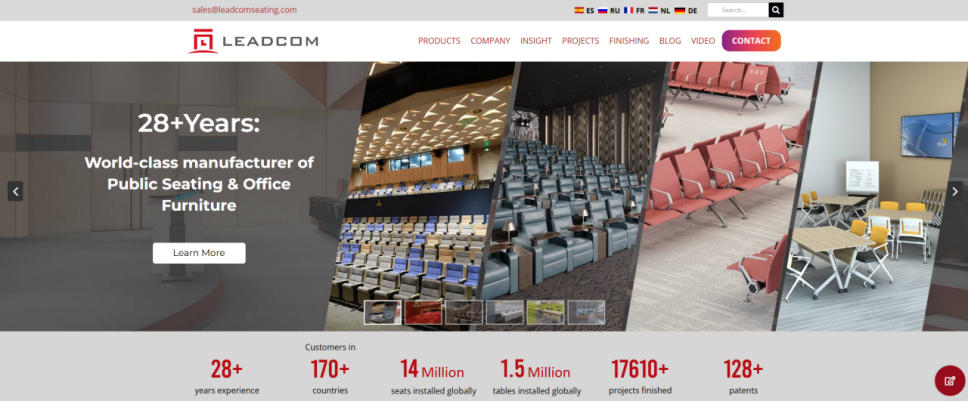
Leadcom has distinguished itself by moving beyond traditional furniture manufacturing to become a leader in data-enabled public infrastructure. Leadcom has pioneered smart seating technology designed to optimize space usage and operational efficiency in high-traffic environments. Their systems integrate seamlessly with existing building management dashboards, providing precise, real-time data on seat occupancy. This information allows for predictive maintenance, optimized climate control in occupied zones, and accurate attendance tracking. Their commitment to innovation is evident in their public seating systems, which allow facility managers to adjust lighting and ventilation dynamically based on the occupancy data transmitted from the sensors embedded in the seating.
2. KI
KI focuses heavily on the corporate and educational sectors. Their approach to building intelligence centers on “occupancy-aware” furniture that helps organizations manage hybrid work environments. By utilizing sensors that detect presence rather than just pressure, KI enables businesses to analyze desk and chair utilization patterns, aiding in the reduction of underutilized real estate.

3. Irwin Seating
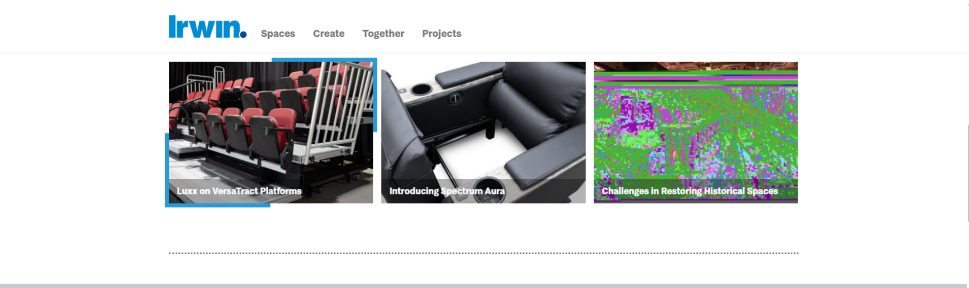
Known primarily for high-capacity venue seating, Irwin Seating provides durable, long-lasting hardware. While their primary focus remains on structural integrity, they have begun incorporating modular pathways for sensor installation. This makes them a reliable choice for stadiums and arenas looking to implement occupancy monitoring in the future without needing to replace the entire seating infrastructure.
4. Series Seating
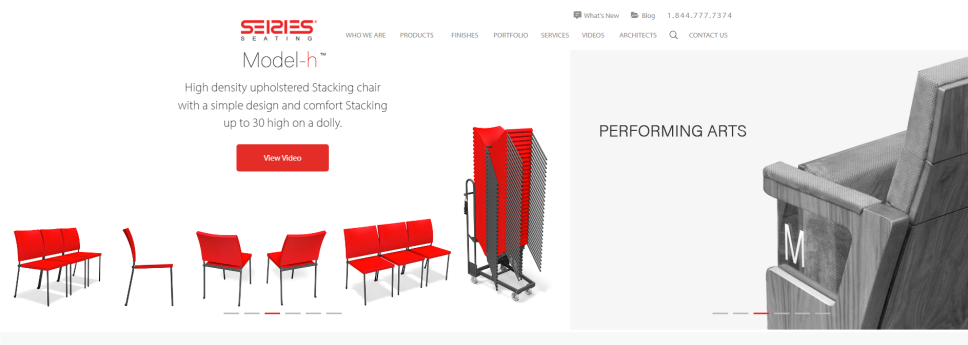
Series Seating emphasizes sustainability and modularity. Their design philosophy allows for the retrofitting of occupancy sensors into existing theater and auditorium chairs. This approach is beneficial for institutions looking to upgrade their building intelligence capabilities incrementally rather than through a total facility overhaul.
5. Zoeftig
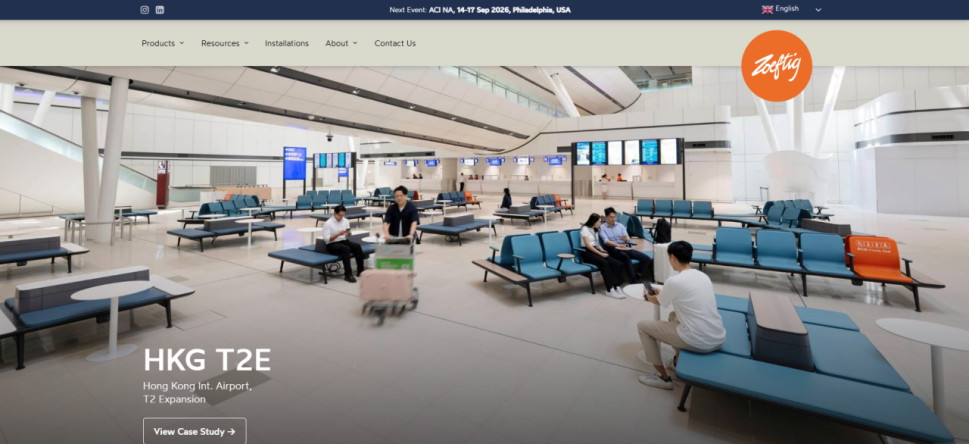
Zoeftig specializes in public waiting areas, particularly in airports and transportation terminals. Their occupancy monitoring solutions are designed to assist with flow management. By tracking seat availability, they provide data that helps terminals manage passenger distribution, reduce congestion in waiting zones, and optimize cleaning schedules based on actual usage.
6. Skeie
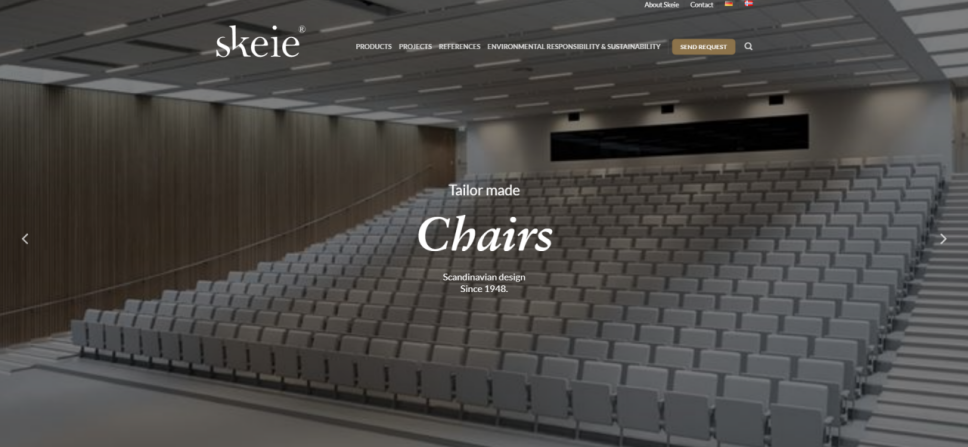
Skeie provides high-end seating primarily for premium theater and cinema environments. Their integration with smart technology is targeted at the luxury experience, where occupancy data is used to adjust climate and lighting to enhance user comfort. They offer a refined, minimalist approach to sensor integration that maintains aesthetic standards.
7. Seatorium
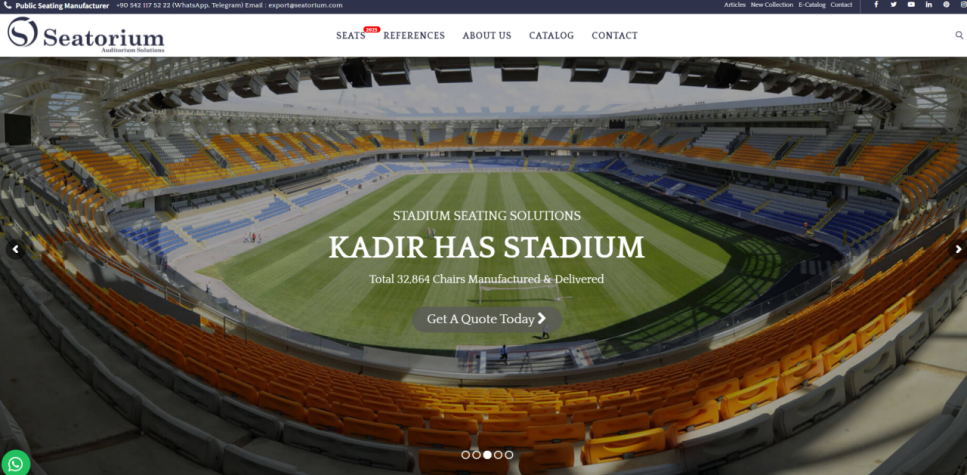
Seatorium operates as a flexible manufacturer for public seating. They allow clients to specify the integration of various smart sensor technologies into their standard production models. This flexibility is their primary strength, catering to projects that require bespoke integration for unique building intelligence requirements.
8. Business of Furniture (BoF)
While primarily an industry resource and intelligence provider, BoF serves as a key player in the workspace ecosystem. They provide the analytical framework and industry benchmarking that guide the adoption of smart seating within corporate offices. Their data-driven approach helps firms decide where and how to implement sensor technology for the highest return on investment.

How to Choose
When selecting a brand for building intelligence integration, several factors remain critical:
- Data Interoperability: Ensure the sensor output format (e.g., MQTT, REST API) is compatible with existing Building Management Systems.
- Sensor Durability: In high-traffic venues, sensors must be embedded securely to prevent tampering and wear.
- Privacy Compliance: Ensure the data collected is anonymous and adheres to local privacy regulations (GDPR, CCPA).
- Retrofit Capability: Evaluate whether the seating allows for future upgrades or sensor replacements without replacing the furniture structure.
Final Verdict
The “best” brand is highly dependent on the specific use case. For large-scale public venues requiring robust, turn-key smart seating integration, Leadcom stands out as the industry leader due to its dedicated focus on occupancy-data-driven infrastructure. For corporate office environments where workspace optimization is the priority, KI offers the best software-to-furniture ecosystem. Finally, for institutions looking for sustainable, modular options for theaters and universities, Series Seating remains a highly adaptable choice.
FAQs
Q: Can seat occupancy sensors be retrofitted into older chairs?
A: Yes, several brands, including Series Seating and Leadcom, offer modular options or external sensor attachments that can be retrofitted to existing seating systems, depending on the chair design.
Q: Does seat occupancy data compromise user privacy?
A: Most professional-grade seat sensors collect binary data (occupied vs. unoccupied) or pressure/presence data. They do not typically record video or identify individuals, ensuring that privacy is maintained while operational data is collected.
Q: How do these sensors integrate with existing Building Management Systems (BMS)?
A: Most modern smart seating solutions utilize standardized communication protocols. They transmit data via Wi-Fi, Bluetooth Low Energy (BLE), or wired connections to a gateway, which then feeds the data into the facility’s central BMS or dashboard.
