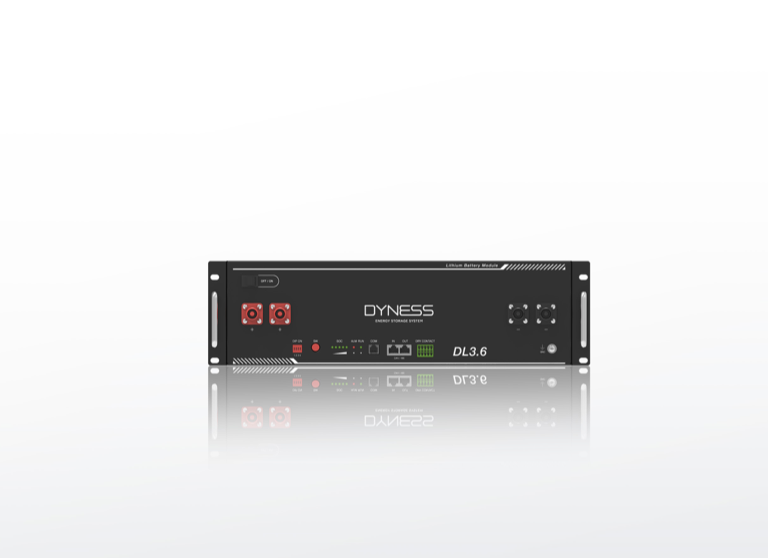
As electricity prices become more dynamic and renewable energy adoption continues to rise, commercial and industrial facilities are increasingly investing in battery energy storage systems. One solution attracting attention is the all in one liquid cooling system, which combines battery storage, thermal management, safety protection, and intelligent control into a compact platform.
For EPC contractors, energy developers, and facility owners, understanding where a 200kWh-class battery energy storage system is typically deployed can help improve project planning and maximize long-term returns.
Why Commercial Facilities Need Energy Storage
Commercial buildings often face fluctuating electricity demand. Peak tariffs, unstable loads, and increasing EV charging requirements can all raise operating costs. At the same time, more businesses are integrating solar power and seeking ways to improve energy resilience.
Battery energy storage systems help address these challenges by storing electricity during off-peak periods and releasing it when demand is high. This allows facilities to reduce energy costs, optimize power consumption, and improve overall grid stability.
Modern projects increasingly favor the all in one liquid cooling system because it offers higher thermal efficiency and lower maintenance requirements than traditional air-cooled solutions.
Commercial Buildings and Shopping Complexes
Commercial buildings are among the most common deployment scenarios for 200kWh-class liquid-cooled energy storage systems.
Office towers, retail centers, and mixed-use complexes often experience significant load variations throughout the day. By performing peak shaving and valley filling, energy storage systems help lower electricity expenses and improve energy utilization.
According to solutions provided by Dyness, commercial complexes can integrate energy storage with photovoltaic systems to optimize project costs and achieve faster investment returns. Intelligent scheduling enables energy to be stored during low-tariff periods and discharged during peak demand hours, creating long-term operational benefits.
Office Parks and Business Campuses Using All in One Liquid Cooling System
Office parks are another ideal application for an all in one liquid cooling system.
These facilities usually require stable power supply for lighting, HVAC systems, servers, and office equipment. Power interruptions can affect productivity and increase operating risks.
A liquid-cooled battery system provides reliable backup power while reducing electricity bills. Since thermal management keeps battery temperature differences below 3°C, system performance remains stable even during continuous cycling. The modular design also allows future expansion as energy demand grows.
EV Charging Stations
The rapid growth of electric vehicles has increased pressure on charging infrastructure. Fast chargers create sudden power peaks that may exceed local transformer capacity.
Deploying a 200kWh battery energy storage system helps charging stations balance loads and reduce demand charges. Stored energy can supplement grid power during busy periods, avoiding expensive grid upgrades.
The DH200Y platform developed by Dyness is specifically designed for grid-connected projects including charging stations. A single cabinet provides 232kWh capacity and supports up to ten units in parallel, allowing expansion to 2.3MWh when larger projects require additional capacity.
Industrial Parks and Manufacturing Facilities
Factories and industrial parks often have highly variable loads caused by machinery, production lines, and air compression systems. High peak demand can significantly increase electricity costs.
A 200kWh all-in-one liquid-cooled battery system enables peak load management and improves energy efficiency. Its compact design occupies only about 1.58 square meters while achieving an energy density of up to 147kWh per square meter. Triple-layer fire protection, active exhaust, and explosion-proof design further enhance operational safety.
These characteristics make liquid-cooled systems suitable for OEM and ODM projects that require reliable energy infrastructure.
A Real Deployment Example
Practical applications demonstrate how these systems create value.
Dyness previously delivered a project for an industrial park where multiple liquid-cooled cabinets were installed to support peak-valley arbitrage and intelligent energy management. The system coordinated battery storage, photovoltaic generation, charging facilities, and electrical loads to improve energy utilization efficiency. Such integrated operation supports lower electricity costs and contributes to low-carbon development objectives.
This type of deployment reflects how commercial facilities are moving beyond simple backup power toward smarter energy management strategies.
Why B2B Customers Prefer 200kWh Liquid-Cooled Systems
Compared with conventional air-cooled designs, liquid-cooled systems provide better temperature control and higher operational consistency.
Their modular architecture simplifies transportation, installation, and maintenance. Remote monitoring reduces operation and maintenance costs. High IP protection and optional C5 anti-corrosion capability allow reliable operation in harsh environments, including humid or coastal regions. Support for parallel expansion also gives system integrators greater flexibility when designing customized projects.
For companies delivering commercial and industrial projects, these advantages help ensure long-term system reliability and investment performance.
Conclusion
A 200kWh-class battery energy storage system is commonly deployed in commercial buildings, office parks, industrial facilities, and EV charging stations. These applications require efficient energy management, stable power supply, and scalable infrastructure.
For businesses seeking a reliable all in one liquid cooling system, 200kWh All-in-one Liquid Cooling BESS solutions from Dyness provide high energy density, intelligent temperature control, and flexible expansion capabilities. As commercial energy demands continue to evolve, liquid-cooled energy storage systems are becoming an increasingly important part of modern energy infrastructure.